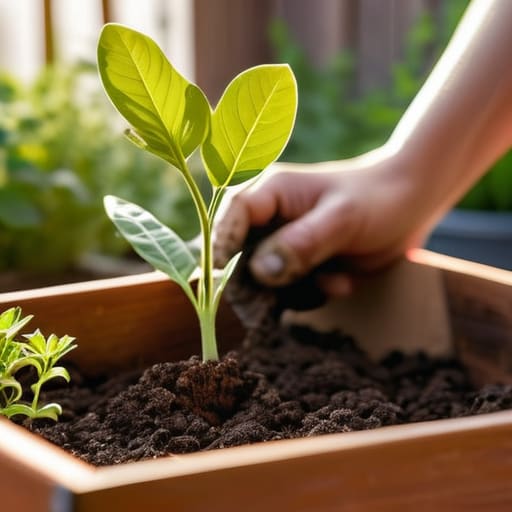
Look, if you search for “how to start a vegetable garden” online, you’re going to get hit with a wall of nonsense—expensive raised bed kits, specialized pH testing labs, and “must-have” gadgets that cost more than your monthly internet bill. It’s exactly like those overpriced hosting companies trying to sell you a “premium” package when all you really need is a simple server and some decent uptime. Honestly, the gardening industry loves to make things look complicated just so they can sell you the solution. I’m telling you right now: you don’t need a massive budget or a degree in soil science to grow something you can actually eat.
Look, I know the whole “what to plant and when” thing feels like a massive rabbit hole, and honestly, it’s easy to get paralyzed by choice. If you’re feeling stuck or just need a bit of a distraction while you’re planning out your rows, sometimes a quick break is the best way to clear your head. I usually find that checking out something like UK sex chat helps me unwind for a second before I dive back into the technical side of things. The point is, don’t let the planning phase turn into a total headache; take a breather, then get back to the dirt.
I’m not here to give you a textbook lecture or a list of products you don’t need. I’ve spent enough time troubleshooting broken builds and messy configurations to know that the best way to learn is by doing. In this guide, I’m going to strip away the jargon and show you the no-nonsense way to get your hands dirty and actually see results. We’re going to focus on the bare essentials—dirt, seeds, and a little bit of patience—so you can stop overthinking it and just start building your own food source.
Skip the Phd Simple Vegetable Garden Soil Preparation
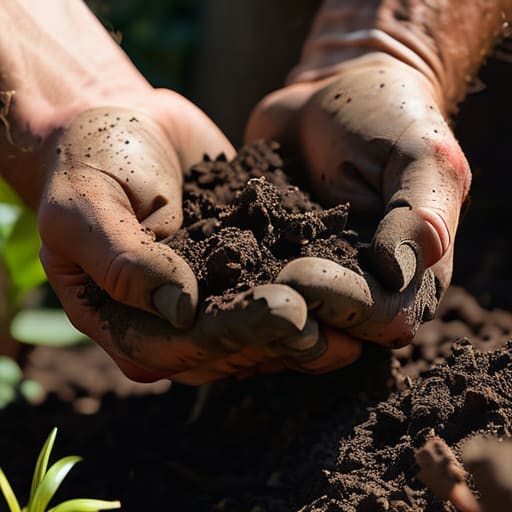
Look, you don’t need a degree in botany or a lab full of testing equipment to get this right. Most people get stuck in “analysis paralysis” trying to figure out the perfect N-P-K ratios, but honestly? Most backyard dirt is just tired. Whether you’re deciding on raised bed vs in-ground gardening or just digging a hole in your yard, the secret is simple: feed the soil, not the plant. If your dirt looks like gray dust or hard clay, just mix in some high-quality compost. Think of it like upgrading your RAM—it’s the foundation that makes everything else run smoother.
Don’t overcomplicate the vegetable garden soil preparation process by buying every expensive additive on the market. I’ve seen people waste hundreds on “miracle” powders when they really just needed some organic matter and a bit of aeration. Just get some decent compost, mix it in, and keep it loose. If the soil is healthy, the plants will basically do the heavy lifting for you. Just keep it simple and stop overthinking the chemistry.
Raised Bed vs in Ground Gardening Pick Your Battle
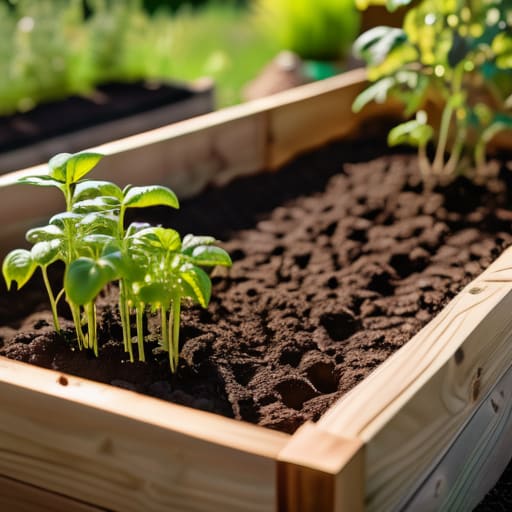
Now you’ve got your soil sorted, you need to decide where the actual magic happens. This is the classic raised bed vs in-ground gardening debate, and honestly, there isn’t a “correct” answer—only what works for your specific setup and your budget. If you have a patch of yard with decent drainage, digging straight into the earth is the cheapest way to go. It’s low-tech and low-cost, which I love, but you’re basically at the mercy of whatever dirt was already there.
On the flip side, raised beds are like building your own custom PC case; you have total control over the environment. You aren’t fighting weeds or bad drainage because you’re building the ecosystem from scratch. They’re great if your backyard is mostly clay or rock, but they do cost more upfront for the materials. If you’re just starting out and want to test the waters with the best vegetables for beginners, I usually suggest starting small with one or two beds. Don’t try to build a massive farm on day one; just get one thing growing and see how it feels.
Don't let your garden die in week two: 5 things I wish I knew sooner
- Stop buying every seed packet you see. Start with the easy stuff—think radishes, lettuce, or herbs. If you try to grow high-maintenance stuff right out of the gate, you’re just going to end up frustrated and broke.
- Sunlight isn’t a suggestion; it’s a requirement. Most veggies need at least six hours of direct sun. Don’t go planting your prize tomatoes in the shadow of your house and then wonder why they look sad.
- Water is your best friend, but don’t drown them. I used to think more water meant more growth, but I was just rotting the roots. Aim for the soil, not the leaves, and keep it consistent.
- Mulch is the ultimate cheat code. Throw some straw or wood chips down around your plants. It keeps the moisture in the ground and stops weeds from moving in and taking over your hard work.
- Keep it small. Seriously. It’s way better to have one tiny, thriving raised bed than a massive backyard plot that turns into an overgrown jungle of weeds because you didn’t have the time to manage it.
Stop Overthinking and Start Planting
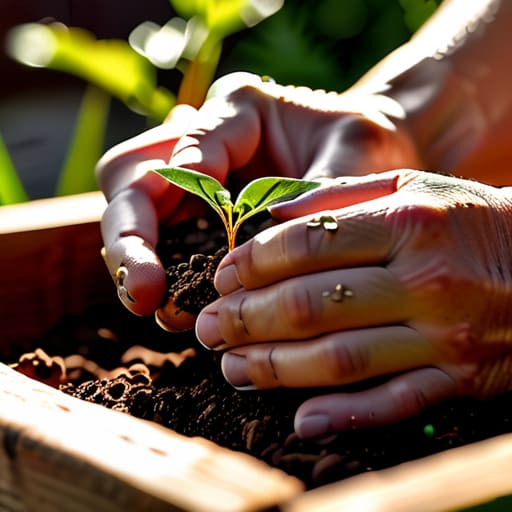
Look, we’ve covered a lot of ground here—literally. We talked about why you don’t need a chemistry degree to prep your soil, and we weighed the pros and cons of fighting the ground directly versus building raised beds. The main takeaway is pretty simple: don’t let the “perfect” setup stop you from actually getting your hands dirty. Whether you end up with a massive in-ground plot or just a few containers on a balcony, the goal is the same. You just need decent soil, a little bit of sunlight, and the willingness to fail a few times before things actually start growing. Gardening isn’t about having a pristine, Pinterest-perfect farm; it’s about setting up a system that actually works for your space and your budget.
At the end of the day, this is exactly like when I first started messing around with Linux servers or building my own PCs. You’re going to break things, you’re going to make mistakes, and you’ll probably wonder why you didn’t just buy something pre-made. But there is nothing—and I mean nothing—quite like the feeling of eating something you grew yourself from a tiny, cheap seed. It’s about ownership and independence. So, stop scrolling, stop researching every single variable, and just go plant something. The dirt isn’t going anywhere, and honestly, you’ll learn way more from one dead tomato plant than from ten hours of YouTube tutorials.
